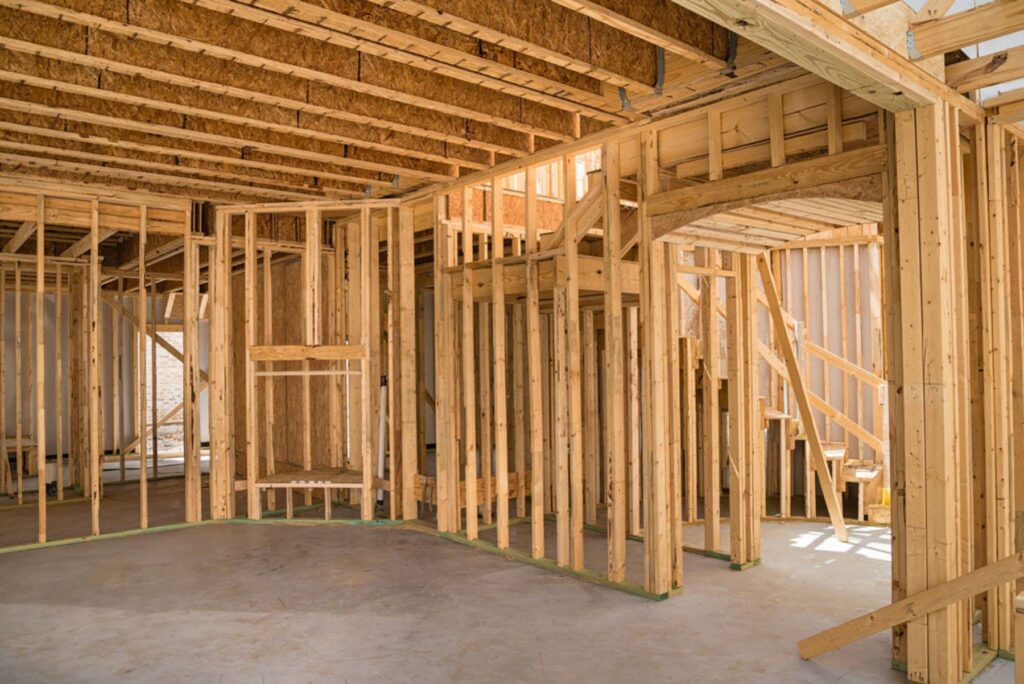
Buying a brand new home feels like a fresh start, and in many ways it is. But “new” doesn’t automatically mean “perfect,” and that’s exactly why a new construction inspection deserves a spot at the top of every new homebuyer’s checklist. Even the most reputable builders work with large crews across multiple active job sites, and details get missed. A professional inspection before you close gives you the chance to catch those details while the builder is still on the hook to fix them.
What Is a New Construction Inspection?
A new construction inspection is a thorough, independent evaluation of a newly built home conducted before the final walkthrough and closing. Unlike a standard resale inspection, this one happens while the builder’s warranty is still fully in effect and before you take possession of the property. A licensed inspector walks through the home with fresh eyes, looking at everything from the foundation to the roofline, and documents anything that falls short of proper workmanship or code compliance.
Why New Homes Still Need an Independent Inspection
It’s a common assumption that a new build has already been inspected by municipal code officials and doesn’t need another set of eyes. While it’s true that local inspectors check for code compliance at various stages of construction, those visits are typically brief, focused on specific systems, and not designed to be comprehensive. A new construction inspection goes much deeper, evaluating the quality of installation and workmanship across the entire home in ways that code inspections simply aren’t structured to do.
The Builder’s Inspection Isn’t the Same Thing
Most builders offer a final walkthrough before closing, and many buyers mistake this for an inspection. It isn’t. A builder’s walkthrough is an orientation to your new home, not an independent assessment of its condition. The person walking you through works for the builder, not for you. Bringing in a third-party inspector who has no relationship with the builder ensures you’re getting an objective evaluation with your interests at the center.
What a New Construction Inspection Actually Covers
A thorough new construction inspection examines the structural components, roofing, attic, insulation, HVAC installation, plumbing, electrical systems, windows, doors, grading, drainage, and all visible interior and exterior finishes. The goal is to identify anything that wasn’t installed correctly, anything that doesn’t meet code, and anything that might cause problems down the road. The inspector produces a detailed written report, usually with photos, so you have documentation you can take directly to your builder.
Common findings in new construction inspections include improper grading that directs water toward the foundation, HVAC systems that weren’t balanced or connected correctly, missing insulation in attic spaces, improperly installed windows, electrical issues, and plumbing connections that weren’t fully secured. None of these are rare, and none of them would be easy or cheap to fix after closing.
Timing Matters: When to Schedule
The best time to schedule a new construction inspection is after construction is substantially complete but before your final walkthrough with the builder. This gives you time to review the inspection report, share the findings with your builder, and request corrections before you take ownership. Trying to address construction defects after closing is a much more complicated process, even with a builder warranty in place.
New Construction Inspection and Your Builder Warranty
A builder warranty doesn’t make a new construction inspection unnecessary. If anything, it makes timing the inspection strategically even more important. Getting a thorough inspection done before closing means defects get corrected upfront, rather than relying on warranty service calls that may take weeks to schedule and resolve. It also creates a documented baseline of the home’s condition at the time of purchase, which can be valuable if warranty disputes arise later.
For added confidence, radon testing and indoor air quality testing are worth considering as add-ons. A newly built home has plenty of new materials, sealants, and systems that can affect indoor air quality, and knowing the home is safe from day one is well worth the additional investment.
A Small Investment With a Big Return
The cost of a new construction inspection is modest compared to the price of the home you’re buying. What it buys you is information, and in a transaction this significant, information is everything. Walking into closing knowing your new home has been independently verified gives you confidence that no amount of curb appeal or builder showroom can match.
Frequently Asked Questions About New Construction Inspections
Can the builder refuse to let me have an independent inspection done?
In most cases, no. The right to have an independent inspection is standard practice and is typically addressed in your purchase agreement. If a builder resists or discourages a third-party inspection, that itself is worth paying attention to. A reputable builder will have no issue with an independent inspector reviewing their work.
What if the inspector finds something the builder disagrees with?
It happens. Having a written report from a licensed inspector gives you a clear, documented basis for your request. Most builders would rather address a flagged item before closing than deal with a warranty claim or dispute after the fact. Your real estate agent can also help facilitate those conversations if needed.
Is a new construction inspection different from an 11-month warranty inspection?
Yes, they serve different purposes. A new construction inspection happens before closing, ideally while the builder can still correct issues as part of the original scope of work. An 11-month warranty inspection happens near the end of your first year of ownership, just before most builder warranties expire. Both are valuable, and many buyers choose to do both.
Do I need a new construction inspection if the home passed all municipal code inspections?
Strongly recommended, yes. Municipal code inspections verify minimum code compliance at specific stages of construction. They are not designed to be comprehensive evaluations of workmanship or overall quality. A licensed home inspector approaches the finished home as a complete system and looks for things that code inspections aren’t structured to catch.
How soon will I get the inspection report?
Most inspectors deliver a written report within 24 hours of completing the inspection. The report will include photos and detailed notes on any findings, organized in a way that makes it easy to share with your builder and prioritize what needs to be addressed before closing.
ProHome is proudly serving Middle Tennessee including Nashville, Brentwood, Franklin, Murfreesboro, Lebanon, Mt. Juliet, and surrounding areas across Davidson, Williamson, Rutherford, and Wilson Counties. Ready to get started? Schedule your inspection today.