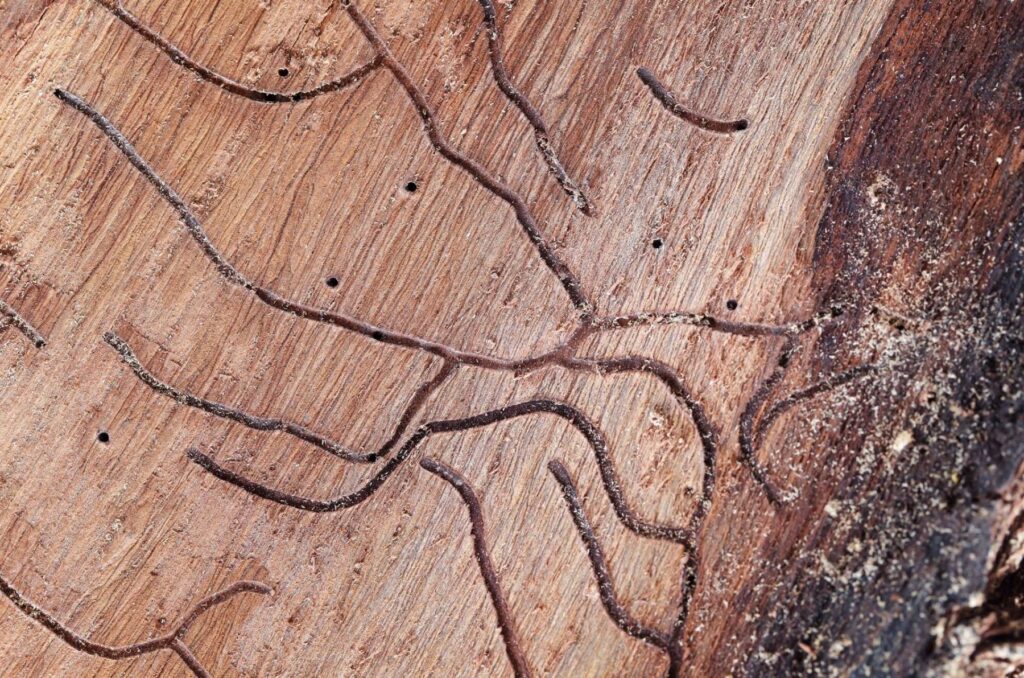
A termite inspection rarely gets the attention it deserves during a home purchase, even though it can be the single piece of paperwork standing between you and your closing date. Also called a WDO inspection, short for wood destroying organism, a termite inspection is required by many lenders, particularly for VA loans, and it is worth understanding well before you get anywhere near the closing table in Franklin or the rest of Middle Tennessee.
Why a Termite Inspection Matters Here
Middle Tennessee’s Climate Is Practically an Invitation
Termites thrive in warm, humid conditions, and Middle Tennessee provides plenty of both for a good portion of the year. Subterranean termites, the most common species in this region, live in the soil and build mud tubes to reach wood structures above ground, often working undetected for years before any visible damage appears. A termite inspection is the only reliable way to catch an active infestation before it becomes a structural problem.
Franklin’s Historic Homes Carry Extra Risk
Franklin’s older neighborhoods, including homes near the historic downtown district, often have wood framing, sills, and foundation elements that have been in the ground for decades. Older construction methods and materials can be more vulnerable to wood destroying organisms than modern builds, and previous termite damage that was repaired years ago is not always obvious without a trained inspector looking specifically for it.
Lenders Often Require It, Not Just Recommend It
VA loans require a termite inspection, officially called a WDO inspection, as part of the loan approval process in most of Tennessee, since wood destroying organisms are common enough in this climate to warrant a standard check. Many conventional and FHA lenders request one as well, particularly when a home inspection notes conditions that could be conducive to termite activity, such as wood-to-soil contact or excess moisture near the foundation.
What a Termite Inspection Actually Involves
A Visual Check of Accessible Areas
A termite inspection includes a close visual examination of accessible areas most prone to termite activity, including the foundation perimeter, crawl space, attic, and any exterior wood in contact with soil. The inspector looks for mud tubes, damaged or hollow-sounding wood, discarded wings from swarming termites, and other wood destroying organisms such as carpenter ants and wood-boring beetles.
The WDO Report Lenders Ask For
The official WDO inspection report follows a standardized format recognized by lenders and government-backed loan programs. It documents whether visible evidence of infestation or damage was found, notes any conducive conditions that could invite future activity, and includes recommendations if treatment is warranted. This report is what gets submitted as part of the loan file when a termite inspection is required.
What Happens if Evidence Is Found
Finding evidence of past or active termite activity during a termite inspection does not necessarily derail a purchase. In many cases, the seller treats the issue and provides documentation of treatment before closing, or the finding becomes part of the negotiation between buyer and seller. Active infestations typically need to be addressed by a licensed pest control company before a loan can close, but a previously treated and repaired area with no current activity is a very different and far more common situation.
Getting Settled in Franklin
Once your termite inspection and the rest of your home purchase are behind you, Franklin has plenty to explore as you settle into the neighborhood. The city manages over 900 acres across 18 parks, from passive green spaces to active recreation areas, and Franklin Parks and Recreation is a good place to start at Franklin Parks and Recreation.
Frequently Asked Questions
Is a termite inspection required for every home purchase in Tennessee?
Not for every purchase, but it is required for VA loans and frequently requested by other lenders, especially if a general home inspection notes conditions that could invite termite activity. Even when not required, we recommend it given how common termites are in this region.
How long does a termite inspection take?
A termite inspection is typically quick, often 30 to 45 minutes depending on the size of the home and how accessible the crawl space, attic, and foundation perimeter are.
What happens if the termite inspection finds active termites?
An active infestation typically needs to be treated by a licensed pest control company before closing, particularly if the loan requires a clear WDO report. This is common enough that most transactions can still move forward on a revised timeline once treatment is scheduled.
Can I get a termite inspection done at the same time as my home inspection?
Yes, and this is usually the most efficient approach. Scheduling both together means one visit to the property and coordinated timing for your closing deadline.
Buying a home in Franklin or Middle Tennessee? Schedule your termite inspection with ProHome alongside your home inspection.