Franklin’s new construction market moves fast, and most builds financed through a construction loan do not receive the full loan amount up front. Instead, funds are released in stages as work progresses, and a draw inspection is the checkpoint that confirms each stage is actually complete before the lender authorizes the next payment.
Why Lenders Require This Step
A construction loan carries more risk for a lender than a standard mortgage, since the property being financed does not fully exist yet. This kind of site visit protects the lender, and indirectly the borrower, by confirming that work billed in a payment request has actually been completed to the standard expected before more money changes hands. Without this check, a builder could request funds for work that is behind schedule or incomplete, leaving a project undercapitalized later when it matters most. Delays here also ripple outward, since subcontractors and material suppliers further down the chain are often waiting on that same disbursement to keep their own schedules moving.
The Department of Housing and Urban Development’s own documentation on the rehabilitation escrow draw request process is one well-documented example of how a draw inspection fits into a broader construction lending framework, requiring inspection sign-off and cost documentation before an escrow disbursement is approved. Private construction lenders generally follow a similar logic even when their paperwork looks different from a federal program, since the underlying goal, confirming completed work before releasing money, stays consistent across most lenders active in Middle Tennessee.
What Happens During the Visit
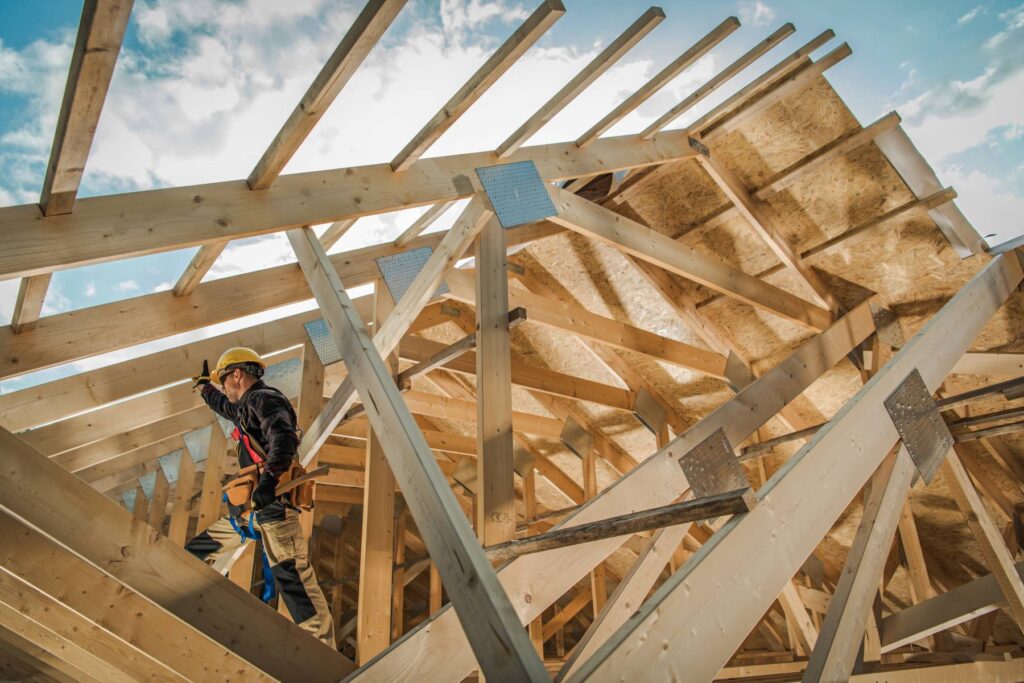
An inspector walks the site at each predetermined stage, whether that is foundation completion, framing, rough mechanical and electrical work, or final finishes, and compares what is actually built against the draw schedule the lender and builder agreed to at the start of the loan. Photos are typically taken to document progress, and any work that appears incomplete, done out of sequence, or inconsistent with the approved plans gets flagged before funds move forward. A draw inspection is generally faster and less exhaustive than a full home inspection, since the goal is verifying progress against a schedule rather than evaluating every system in a finished home. The report that comes out of it is usually short and specific, built around a checklist tied directly to the loan’s draw schedule rather than a broad narrative report.
How This Differs From a Standard Home Inspection
It is a common misconception that this process doubles as quality assurance for the eventual homeowner, but the two serve different purposes. A draw inspection exists to protect the lender’s financial interest at each stage of construction, not to catch every defect a buyer might care about at closing. Franklin buyers financing new construction should still plan for a separate, full inspection once the home is complete, since verifying progress against a schedule is not a substitute for a detailed evaluation of workmanship, systems, and finishes once the house is livable.
What Builders and Buyers Should Expect
Builders working in Franklin’s active new construction market should expect a draw inspection at each stage outlined in the loan agreement, and delays in scheduling one can hold up the next disbursement and, by extension, the project timeline. Buyers financing a custom or spec build should ask their lender directly how many of these visits are built into the loan and at what stages they occur, since this varies by lender and loan type. Staying ahead of scheduling, rather than treating each visit as a last-minute step, keeps a project moving without unnecessary financial gaps.
If you are building or financing new construction in Franklin and need a draw inspection scheduled around your lender’s requirements, you can schedule your inspection and we will coordinate around your project’s draw schedule.
Frequently Asked Questions
What is a draw inspection? It is a site visit that confirms construction work billed in a loan draw request has actually been completed, giving a lender the documentation needed to release the next round of funds.
Does this replace a full home inspection? No. It verifies progress against a lender’s schedule, while a full home inspection at completion evaluates workmanship, systems, and finishes in much greater detail.
How many of these inspections does a typical construction loan require? It varies by lender and loan type, often ranging from a handful of stages like foundation, framing, and finishes to more frequent checkpoints on larger or more complex builds.
Who orders a draw inspection? The lender typically requires it and coordinates scheduling, though builders and buyers should stay in communication about timing to avoid delays in fund disbursement.
Proudly Serving Middle Tennessee
NexInspect provides home and construction inspections throughout Nashville, Brentwood, Franklin, Murfreesboro, Lebanon, Mt. Juliet, Bellevue, Madison, and Davidson, Williamson, Rutherford, and Wilson Counties.